“Cocoa Bureau” search results (5100)
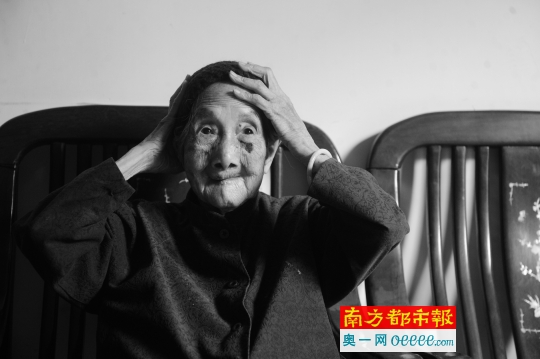
Hu Huiming, a 112-year-old fashion lady, has a cup of coffee every day.
Today is the annual double Ninth Festival of respect for the elderly. On this special day, will you prepare a thoughtful gift for your grandparents? The reporter also learned from the Municipal Civil Affairs Bureau that as of September this year, there were 94 centenarians in the city, an increase of seven compared with 87 in the same period last year, the largest number of centenarians in recent years. Hu Huiming accepted Nandu two years ago.
2015-10-23 112 years old old lady Hu Huiming one cup of coffee every day
An introduction to Jamaican Coffee beans-- the mysterious veil of Blue Mountain Fine Coffee
Most people know that the price of a cup of real Jamaican Blue Mountain coffee should be in the triple digits, but did you know that not all blue beans can brew the flavor of Jamaican Blue Mountain coffee? Because the authentic Jamaican Blue Mountain Coffee flavor is a combination of beans and processing technology, rather than simple imported blue mountain beans. Jamaican Blue Mountain Coffee has always been a divine presence in China.
2016-03-24 Jamaica coffee beans introduction Blue Mountain boutique coffee mystery veil characteristics people
Lishan Art Festival "Coffee, Film, Karaoke"
Yesterday, the Taichung Municipal Bureau of Culture went up the mountain to hold the Lishan Art Festival, where culture and art were put in suitcases, bringing warm coffee, warm movies and karaoke beloved by children and adults.
2014-05-16 Coffee movies karaoke.
Drought or "death of thirst" hidden worries of expansion behind the disorderly competition of ten thousand mu coffee in Baoshan, Yunnan Province
The continuing drought has hit the coffee industry in Baoshan, Yunnan Province, one of China's largest coffee producers. According to a survey data of Longyang District Hot work Station in Baoshan City, at present, only in Longyang District, the affected area of coffee has reached 66395 mu, and 16321 mu of coffee is facing no harvest. In addition to the impact of the drought, the low price of coffee also worries many farmers.
2014-05-13 Yunnan coffee Chinese coffee coffee beans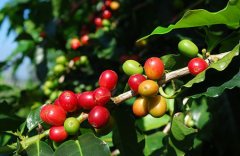
The King of Coffee beans Jamaica Blue Mountain Coffee Blue Mountain Coffee characteristics Blue Mountain Coffee planting Blue Mountain
Most people know that the price of a cup of real Jamaican Blue Mountain coffee should be in the triple digits, but did you know that not all blue beans can brew the flavor of Jamaican Blue Mountain coffee? Because the authentic Jamaican Blue Mountain Coffee flavor is a combination of beans and processing technology, rather than simple imported blue mountain beans. Jamaican Blue Mountain Coffee has always been a divine presence in China.
2016-03-25 Coffee beans medium King Jamaica Blue Mountains Coffee characteristics planting people Big
Pu'er Meteorology actively serves the production of characteristic Agricultural Coffee
In view of the recent drought in Pu'er, the Meteorological Bureau of Pu'er City launched the activity of "Coffee Meteorological Science Popularization into the Village", visited more than 500 villagers' cooperatives and farmers, and presented more than 7000 copies of the Handbook on High-yield and High-quality cultivation techniques of small seed Coffee.
2014-05-29 Coffee production Pu'er Meteorology characteristic Agriculture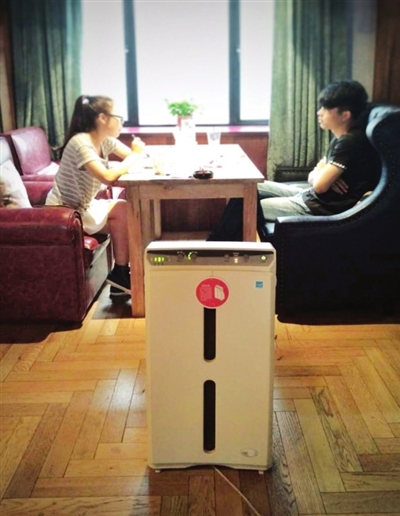
The coffee shop specializes in operating the "air selling" cafe in Hangzhou.
□ Cai Jihuang Wulin Road is a very lively place in Hangzhou, with shops of all sizes standing all the way. Among them, there is a fantasy cafe that is quite popular recently. In addition to the fashionable decoration and elegant food, what attracts the most attention is probably the three-story space in the one-yuan air freshness museum, which is equipped with eight air purifiers, which are several laps larger than the usual household ones, and there is one on each table.
2015-08-07 Coffee shop characteristics operation Hangzhou selling air Cai Ji Wulin Road extremely
Jiaxing imported coffee beans for the first time
Recently, the imported coffee beans accepted by Jiaxing Inspection and Quarantine Bureau for the first time have been successfully sold in the domestic market. The total amount of coffee beans is 15.5 tons, with a value of US $173000. The products include Yejia Fichel coffee raw beans, Sidamowoka coffee raw beans, Panamanian emerald, Ilida, Hartman and other manor-grade coffee raw beans, with a total of 16 varieties, which is by far the first in Jiaxing port.
2016-09-27 Jiaxing region first time foreign import coffee beans
Coffee Information China's first key laboratory for coffee monitoring was born.
On September 5, the National Coffee testing key Laboratory (Pu'er), declared and built by Yunnan Pu'er Inspection and Quarantine Bureau, passed the on-site examination and acceptance of the AQSIQ examination and acceptance team. This marks the birth of the only national professional laboratory for coffee products in Yunnan Province. This assessment will be carried out on the spot by the AQSIQ, which has transferred experts from all over the country to set up an examination team. In the course of examination
2014-10-25 Coffee news coffee monitoring laboratory
China's first coffee testing laboratory starts construction
It was learned from Yunnan Pu 'er Entry-Exit Inspection and Quarantine Bureau that the construction of the national key coffee testing laboratory was started in Pu' er City, marking the birth of the only national coffee product professional laboratory in Yunnan Province. Coffee cultivation in Pu 'er City began at the end of the 19th century and began to develop industrially in 1988. In 2015, the coffee planting area of the whole city was 757,000 mu, with 402,300 mu put into production and 39,900 tons of output.
2016-08-17 China first coffee testing focus laboratory start construction Yunnan Pu 'er
The introduction of Ruili Jingpo Nongxian coffee was recorded in 1914.
In April 1996, compiled by the compilation Committee of Ruili City Chronicles of Yunnan Province, the fifth coffee section on page 383 of Ruili City Chronicles published by Sichuan Dictionary Publishing House recorded that as early as 1914, the Jingpo nationality had been introduced from Myanmar to Nongxian Township for cultivation. The local series of books of the people's Republic of China, Records of Yunnan Province, Volume 39, Records of Land Reclamation, Chapter 3, Section 2, Coffee is recorded: the cultivation of coffee in China began in 1884.
2015-02-07 About Ruili Jingpeng coffee introduction 1914 records
History of introduction and expansion of Coffee in early China (1)
1. The introduction of Ruili Jingpo Nongxian Coffee was recorded in 1914. In April 1996, it was compiled by the compilation Committee of Ruili City Chronicles of Yunnan Province. The fifth coffee section on page 383 of Ruili City Chronicles published by Sichuan Dictionary Publishing House recorded that as early as 1914, the Jingpo people have been introduced from Myanmar to Nongxian Township for cultivation. Yunnan Provincial Chronicles, Volume 39, Chapter 3 of the Local Series of the people's Republic of China
2015-04-28 Early China coffee introduction expansion about Ruili Jingpeng
Pu'er Coffee fragrance "Belt and Road Initiative" Chinese Coffee producing area Yunnan small Coffee
Pu'er is known not only as the tea city of China, but also as the coffee capital of China. Coffee industry has become one of the characteristic agriculture in Pu'er plateau and an important pillar industry in the construction of national green economy experiment and demonstration zone. With the east wind of Belt and Road Initiative, coffee carries the dream of Pu'er people to the world. The cultivation of Pu'er coffee began at the end of the 19th century, and its industrialization began in 1988.
2015-07-28 China coffee market Pu'er fragrance Belt and Road Initiative
The History of Coffee introduction and expansion in China in the early stage (1)
1. The introduction of Ruili Jingpo Nongxian Coffee was recorded in 1914. In April 1996, it was compiled by the compilation Committee of Ruili City Chronicles of Yunnan Province. The fifth coffee section on page 383 of Ruili City Chronicles published by Sichuan Dictionary Publishing House recorded that as early as 1914, the Jingpo people have been introduced from Myanmar to Nongxian Township for cultivation. Yunnan Provincial Chronicles, Volume 39, Chapter 3 of the Local Series of the people's Republic of China
2014-12-01 Coffee history common sense early China introduction expansion about Ruili Jingpolong
History of introduction and expansion of Coffee in China in the early stage of Coffee Development (1)
1. The introduction of Ruili Jingpo Nongxian Coffee was recorded in 1914. In April 1996, it was compiled by the compilation Committee of Ruili City Chronicles of Yunnan Province. The fifth coffee section on page 383 of Ruili City Chronicles published by Sichuan Dictionary Publishing House recorded that as early as 1914, the Jingpo people have been introduced from Myanmar to Nongxian Township for cultivation. Yunnan Provincial Chronicles, Volume 39, Chapter 3 of the Local Series of the people's Republic of China
2015-03-09 China Coffee Development course early introduction expansion about Ruili Jingpeng
Construction of China's first key laboratory for coffee testing
According to the Yunnan Pu'er entry-exit Inspection and Quarantine Bureau, the construction of the national key laboratory for coffee testing began in Pu'er City, marking the birth of China's only national professional laboratory for coffee products in Yunnan Province. Coffee cultivation in Pu'er City began at the end of the 19th century, and its industrialization began in 1988. In 2015, the planting area of coffee in Pu'er City was 757000 mu, with an output of 402300 mu and a yield of 39900 tons.
2016-06-15 China the first coffee testing key laboratory construction Yunnan Pu'er
Construction of China's first key laboratory for coffee testing
According to the Yunnan Pu'er entry-exit Inspection and Quarantine Bureau, the construction of the national key laboratory for coffee testing began in Pu'er City, marking the birth of China's only national professional laboratory for coffee products in Yunnan Province. Coffee cultivation in Pu'er City began at the end of the 19th century, and its industrialization began in 1988. In 2015, the planting area of coffee in Pu'er City was 757000 mu, with an output of 402300 mu and a yield of 39900 tons.
2016-09-02 China the first coffee testing key laboratory construction Yunnan Pu'er
Spot check in Taoyuan shows that Japan's MisterDonut has the highest caffeine content.
Many people have the habit of drinking coffee, even several cups a day, but drinking too much leads to too much caffeine. Taoyuan County Health Bureau in order to know the sugar-free and cream-free black coffee sold by Taoyuan county chain Western-style fast food restaurants, convenience stores and coffee shops, the May sampling survey yesterday released a random survey of 32 pieces of black coffee sold in the market, of which "
2015-06-24 Taoyuan spot check show Japan MisterDonut caffeine content
Coffee export in Pu'er reached an all-time high in the first half of the year.
By the end of June, Pu'er City had exported 15036 tons of coffee beans through Pu'er entry-exit Inspection and Quarantine Bureau, earning 63.6255 million US dollars in foreign exchange, a sharp increase of 6061 tons from 8975 tons in the same period last year, and is expected to break through the 20, 000 ton mark by the end of the year.
2014-07-09 Coffee news coffee export Yunnan coffee Pu'er coffee
The Origin and Market of Blue Mountain Coffee
A real Blue Mountain Coffee is in the triple digits, but as one advertisement said, not all milk can be called the same, and not all Blue Mountain beans can produce the flavor that Blue Mountain Coffee should have. Because the real flavor of Blue Mountain Coffee is the combination of beans and processing technology, rather than simply imported Blue Mountain beans. The market is the same as Lanshan raw beans. The difference of cooked beans is 10 times. China accounts for 15% of the total consumption.
2014-12-08 Boutique coffee common sense blue mountain origin market real one cup